Is captaincy as important to fans and players in the modern game?
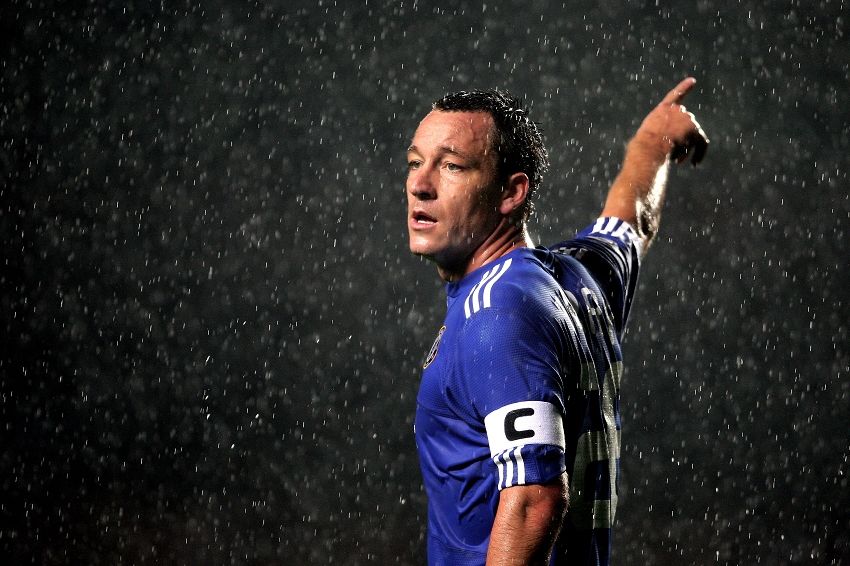
IF you think back to the great captains, there are certain traits that you are reminded of. First is a dedication to your team and fellow players. At age 24, Franz Beckenbauer captained Germany in ‘The Game of the Century’ at the 1970 world cup, with a dislocated shoulder. An authority and calmness, exemplified by Bobby Moore in leading England to their sole world cup triumph at 25. A will to win, like Francisco Gento’s 23 trophies, including 6 european cups. Finally, Francisco Totti-like passion for the game, unmatched by any teammate in his 23-year, one-club career.
These qualities culminate in a good captain. A leader on the pitch, often the best player on a team, and fan favourite. But when following football today, one gets the feeling that maybe the captain’s role isn’t as valued as it once was. In the Premier League in 2018/19, there have been 62 different captains, with four teams having had 5. Crystal Palace’s Luka Milovojevic, and Wolves’ Conor Coady are the only sole captains of their teams this season. Of the ‘main captains’ (most games played at captain this season) only half have been at their club for over five years. Although injuries are a factor in these statistics, it does show a significant change in the role required by a captain in these times.
As an Arsenal fan, it feels like we haven’t had a proper captain since Tony Adams. Nobody has held the position for more than three years, and it almost feels like a curse. After Vieira, it was Thierry Henry, who subsequently left for Barcelona. William Gallas somehow stumbled upon the armband, and proceeded to do a horrible job before being stripped of it. Hero Cesc Fabregas took it on, then jumped ship after two and a half years in the role. Then, in a somewhat astounding move, Robin Van Persie was given the title despite a murky future ahead at the Emirates. Thomas Vermaelen seemed to fall off a cliff as soon as he was named captain. Mikel Arteta and Per Mertesacker are likeable characters, but played very few games, and Laurent Koscielny seems to be going the same way.
From my experience as a fan, the question which seems to arise is, what’s the point? Why do Brighton continue to give 38 year old Bruno Saltor captaincy, if he’s only going to play a handful of games? By doing so, teams are turning the job away from leadership and guidance to a menial title, or an award for long-standing service.
So what happens next? In an age of constant manager changes, huge transfers and in-your-face commercialisation, I get the feeling that the character is slowly being eeked from the English game altogether. The same way that we will never again see enigmas to the tune of Brian Clough or Don Revie, I fear we will never see another commanding leader from the back, like John Terry, or a passionate spearhead figure similar to Roy Keane. It is possible that the captain role may be sent to live in the footballing abyss, alongside the sweeper position and the Intertoto Cup.
 92Football